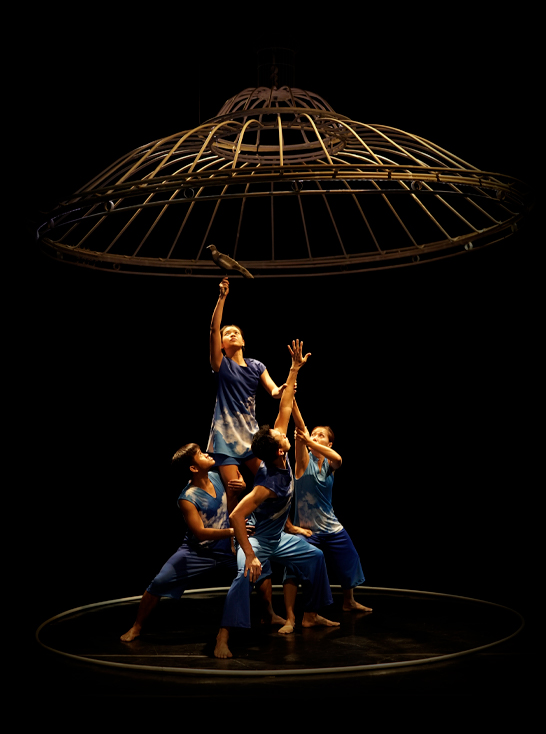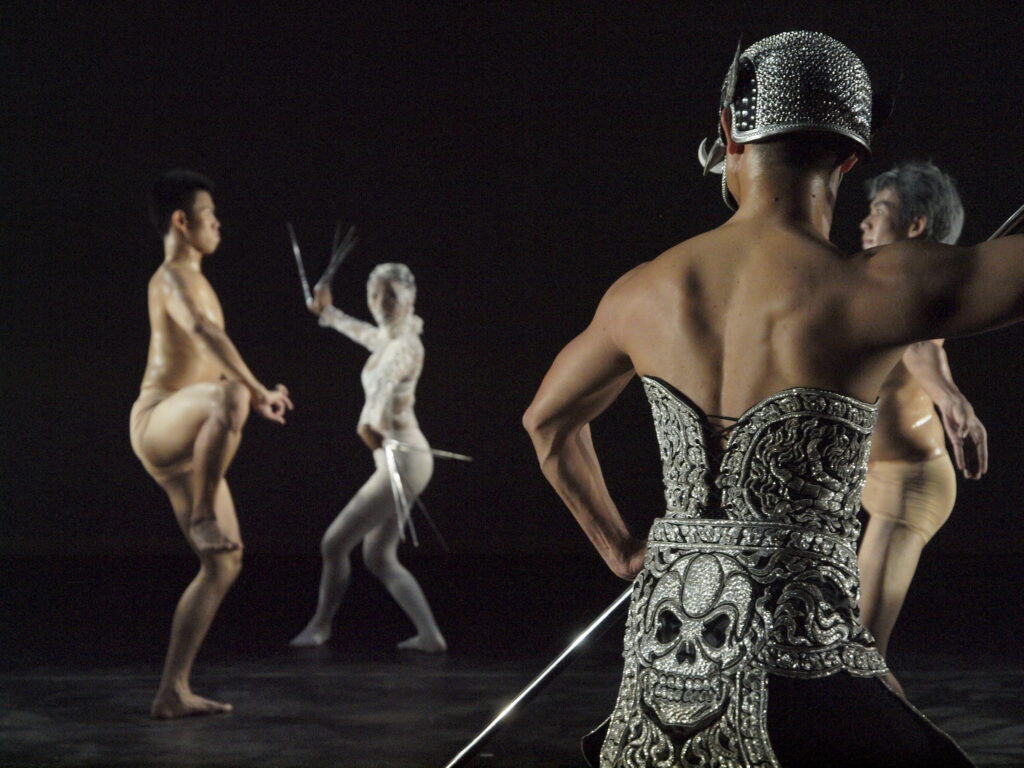
Tam Kai (2013)
About Tam Kai
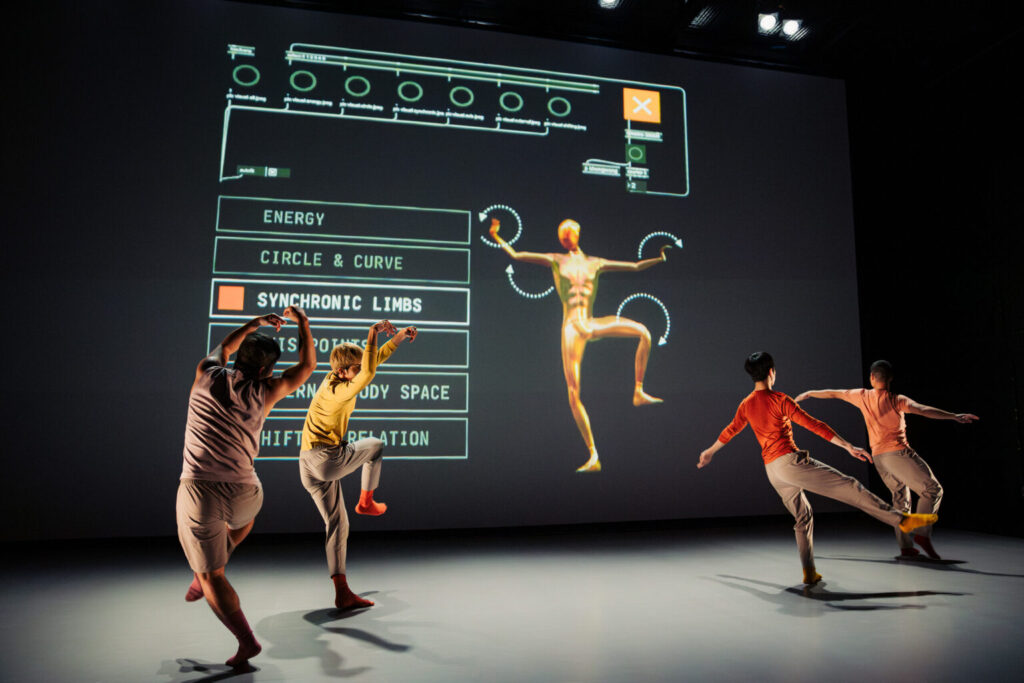
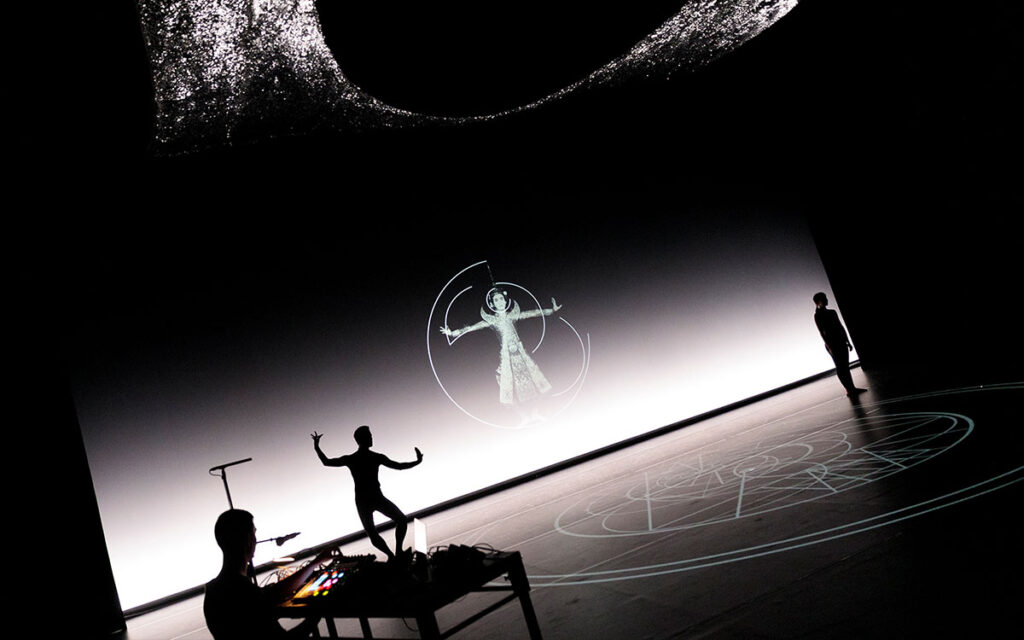
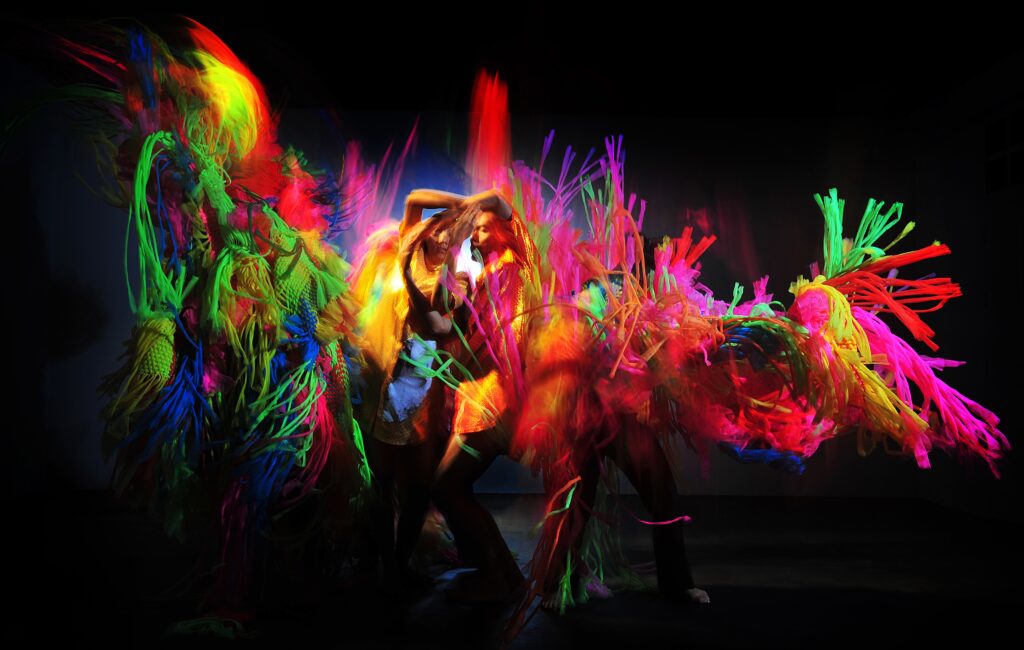
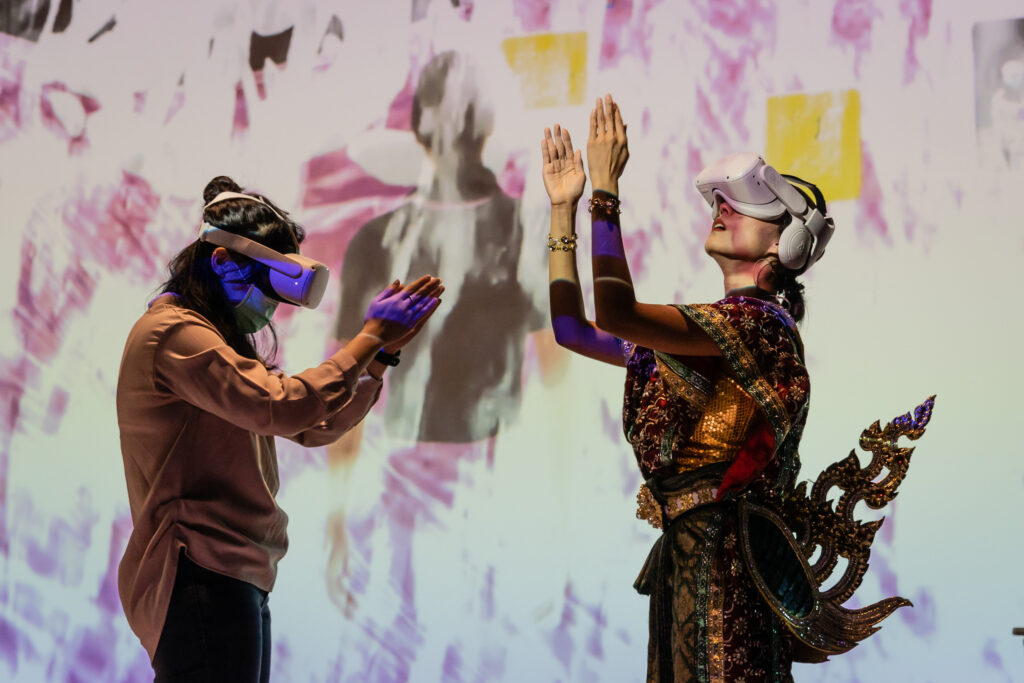
Tam Kai (Following the Chicken) is a new dance performance that asks dancers to respond to the virtuoso Kraw Nai Tang Tawada piece played by the renowned ranad ek (alto xylophone) master, Boonyoung Katkong.
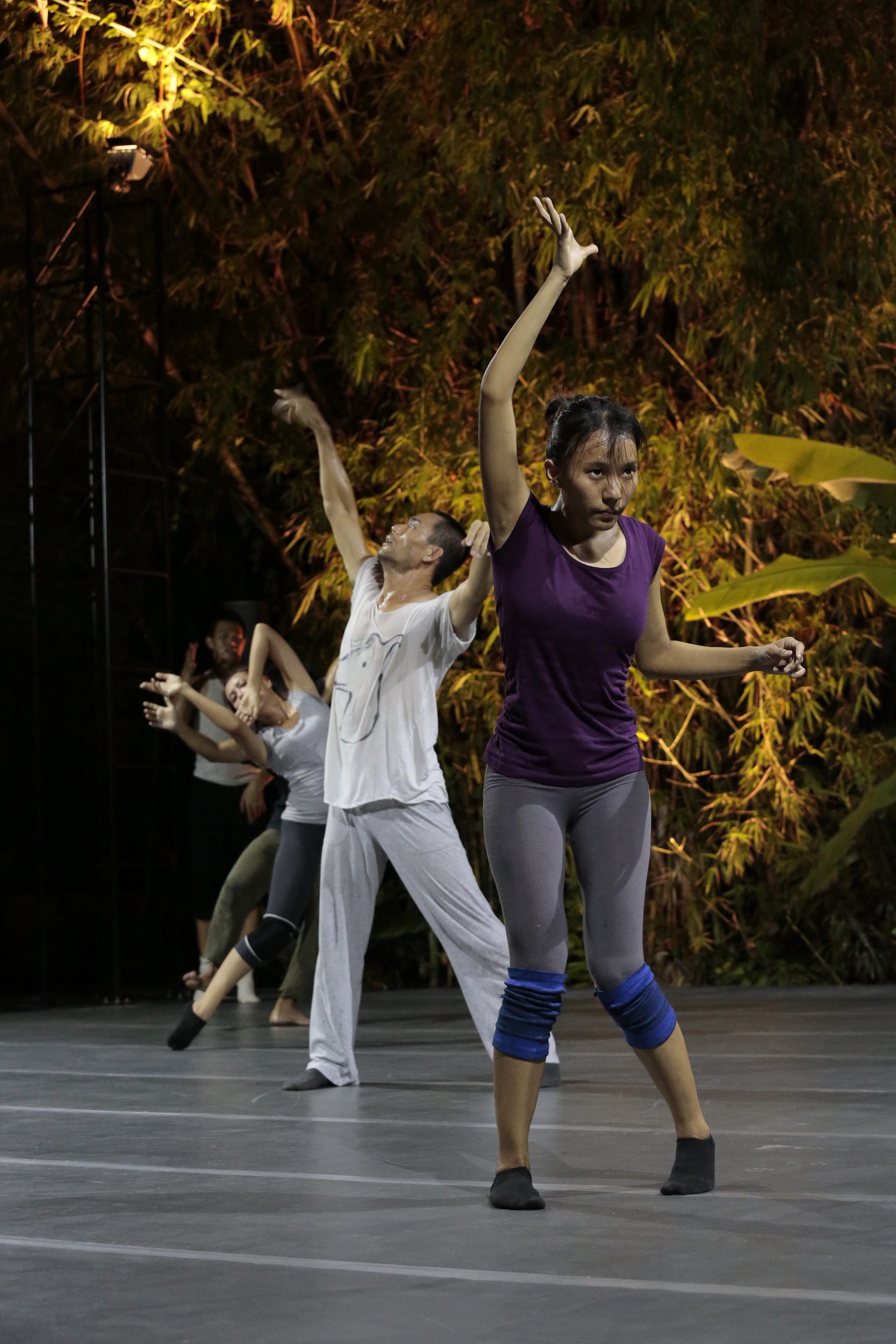
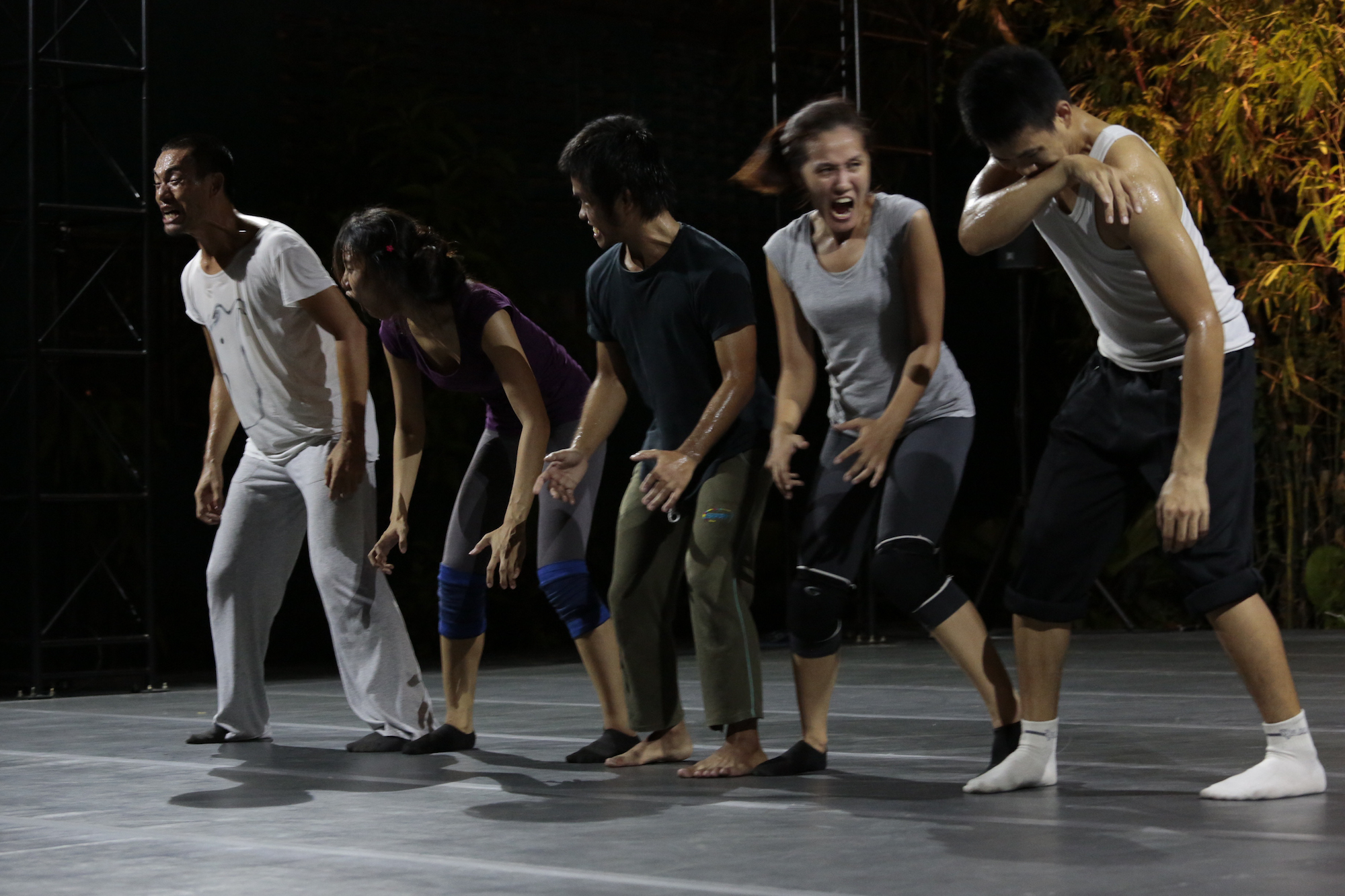
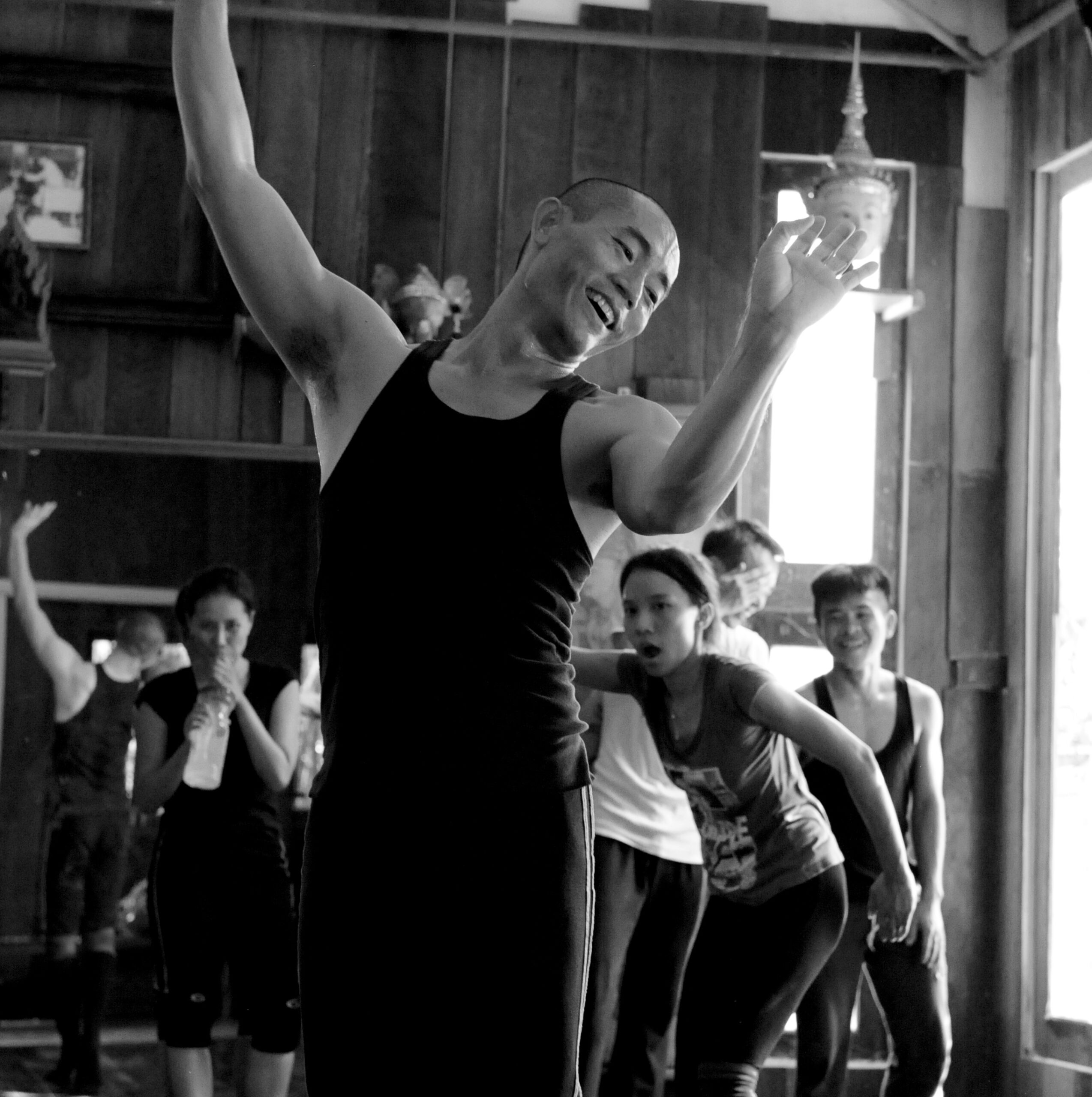
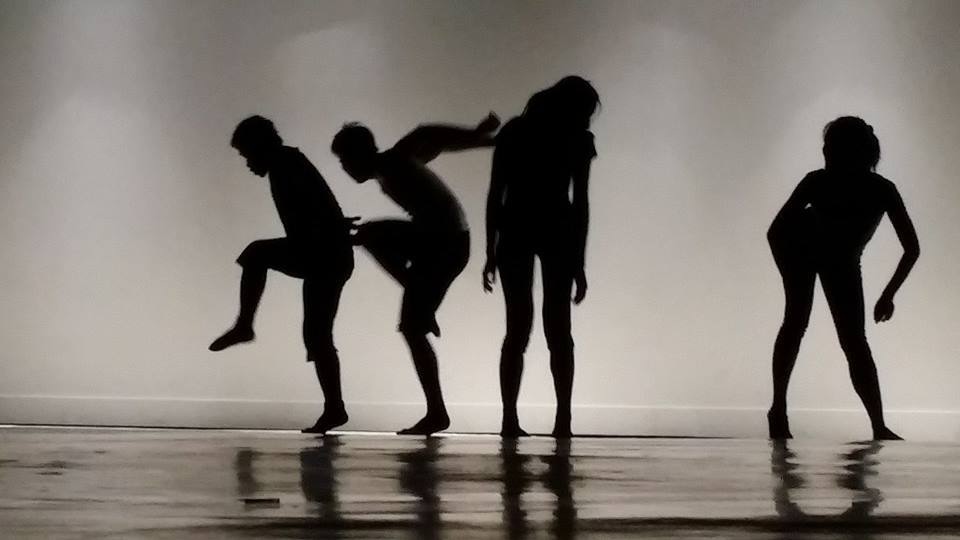
Throughout the hour-long performance, a series of dancers perform a succession of improvised solo pieces, one after one, across the stage, their bodies moving in direct and unrehearsed ways to Master Boonyong’s vibrant musical energy.
Kraw Nai Tang Tawada is typically done as a solo ranad ek performance, allowing a master to show his skill, experience, intelligence, and creativity. Here, the music serves to challenge dancers, demanding their creative responses to the music’s powerful and fast-paced rhythms. This is the first time that this piece of music has been used in a dance performance.
Tam Kai began with Company’s dancers exploring body movements that suited the piece’s complex and vigorous musical flow. Dancers had the full freedom to experiment with improvised movements rather than work through fixed choreographic structures. Starting from simple and basic stretching exercises, these dance explorations evolved into more sophisticated and complicated dance movements.
Once the dancers showed their ability to match the melody’s powerful, quick rhythms with their spontaneously generated responses to it, they next challenged themselves to develop ways to communicate body motion among themselves, using movements derived from the spontaneously emerging situations or story lines arising during the dance. The unpredictable fusion of movement, situations, and stories among the dancers also gives audiences an opportunity to exercise their own creativity as they imagine the unfolding significance of the live performance.
This dance piece takes a different approach from traditional Thai approaches which asks dancers to perfectly embody set character forms via pieces of memorized choreography in relationship to fixed musical structures. In contrast to the frames and limits that traditional approaches place on dancers bodies and minds, our new approach asks dancers to freely and creatively embody their own powers of dance as responses to the musical energy. Most importantly, dancers need to physically and mentally release themselves from familiar frames and fixed forms.
Audiences see raw, unpredictable, and unanticipated movements, while dancers free themselves from standardized mindsets and forms. As a result, everyone gets a fuller taste of aesthetic freedom. Dancers, director, and audiences alike face the fresh energy of the creative imagination. No one knows what will happen as the show begins.


Tour:
- 2013: presented for Ervaar Daar Hier Theater in the Netherlands at
- Den Haag Lucent Danstheater, Den Haag, October 19
- Stadsschouwburg Amsterdam, Amsterdam, October 21
- Theater Heerlen, Heerlen, October 23
- Stadsschouwburg Utrecht, Utrecht, October 25
- Rotterdamse Schouwburg, Rotterdam, October 26
- Stadsschouwburg Groningen, Groningen, October 28
- Schouwburg Tilburg, Tilburg, October 30
- 2014: presented at
- Museum of Contemporary Art Tokyo, Japan, October 11-12
- Kunisaki Art Festival, Japan, October 18-19
Credit:
- Director/Artistic Director/Choreographer: Pichet Klunchun
- Manager: Sojirat Singholka
- Dancers: Pichet Klunchun, Sunon Wachirawarakarn, Julaluck Eakwattanapun, Kornkarn Rungsawang, Porramet Maneerat, and Padung Jumpan